
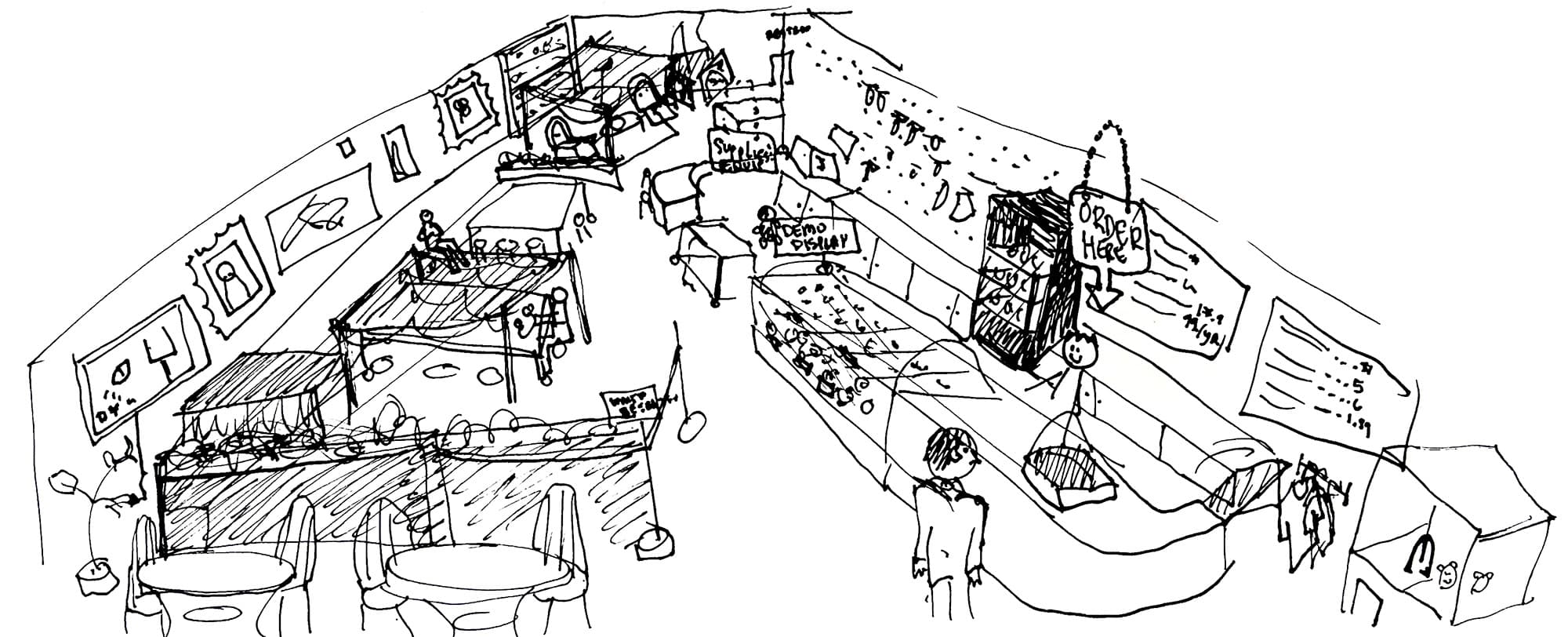
What Is Maker Pub?
Maker Pub is a third space. Not home or work, but somewhere you can just show up, hang out, and make things. Or not make things. Sometimes you just need a place to be around other people who are building stuff. We have games like Catan, Codenames, Wingspan or consoles so there's something for everyone.
We're a makerspace & also a community hub. A place where you can learn 3D printing, but also where you might pick up a cupla focal as Gaeilge (a couple of words in Irish) while you're at it. Where Celtic music plays in the background while you're dialing in your slicer settings. That's not random – it's intentional.
The Celtic Connection ☘️
The "pub" in Maker Pub isn't just a name. It's the idea of the gathering place; the Irish pub where people come together, share stories, and lift each other up. Celtic craft traditions were communal. Knowledge passed freely. Skills were shared between generations. Work was done side by side.
That's the culture we're building. Not nationalism, just pride in roots and a belief that sharing brings people together from all walks of life and backgrounds. An open and inclusive community where everyone's welcome and everyone teaches everyone.
Where We Are Now
We're starting small and being honest about it. Right now, Maker Pub is focused on 3D printing and simple crafts – we have a Bambu Lab A1 with AMS-lite and a Prusa MK3.5 in our 3D print shop, and we're running classes that take you from zero to maker in one day. Our crash course gets you printing in your first session. You walk out with something you made.
We're also hosting game nights, open lab hours, and community events. Because a makerspace that's only about making misses the point. The best ideas happen when people are just hanging out.
Where We're Going
The dream is bigger than 3D printing. We want Maker Pub to grow into a full creative hub with dedicated areas for different disciplines along with a lounge if you just want a place to hang out. Here's what we're working toward.
The Digital Fabrication Lab
This is where we're starting. 3D printing, laser engraving, and CNC routing – tools that turn digital designs into physical objects. We already have two FDM printers running, and the goal is to expand into resin printing, laser cutting, and eventually CNC milling. These tools are the bridge between designing on a screen and holding something in your hands. They're also the most accessible entry point for beginners – you can go from zero experience to a finished print in a couple of hours.
What it takes: Ventilated workspace, dust collection for CNC, fire-safe enclosure for laser. The printers themselves are surprisingly affordable – it's the space and safety infrastructure that adds up.
Opportunities: Prototyping for local businesses, custom parts on demand, small-batch manufacturing, personalized gifts and merchandise. There's real money in production-on-demand once you have trained operators.
The Glass Studio
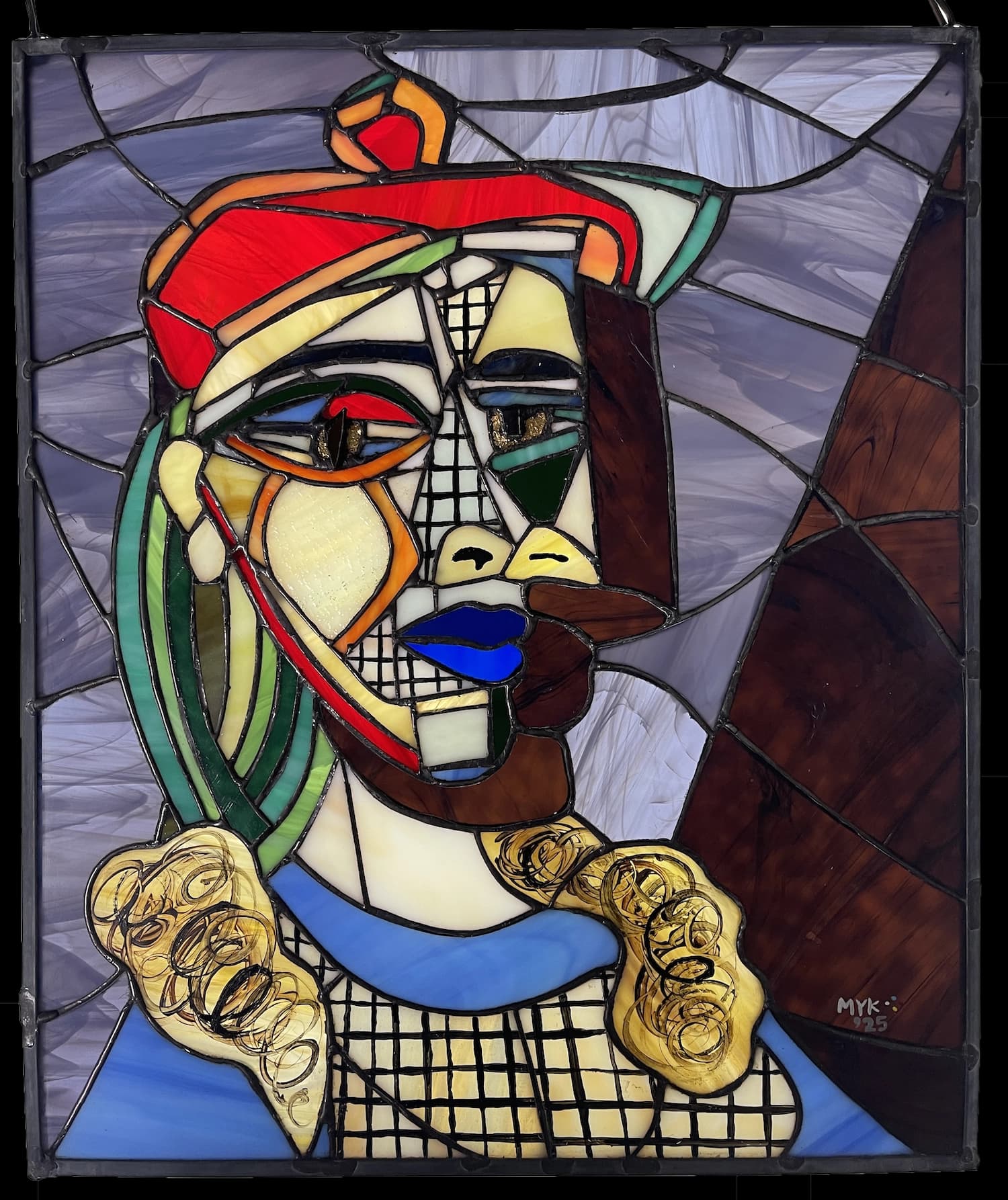
Stained glass, glass fusing, and mosaics. This is one of the hardest crafts to learn on your own because the equipment is specialized and the safety requirements are real. That's exactly why it belongs in a shared space. A glass studio at Maker Pub would give people access to kilns, grinders, soldering stations, and other tools that are impractical for most homes.
What it takes: A kiln for fusing (significant investment), glass grinder, soldering station, proper ventilation, safety equipment. Stained glass is more accessible to start – fusing requires more infrastructure.
Opportunities: Stained glass panels, fused glass art, jewelry, custom lighting, restoration work. Stained glass artists are in demand.
The Art Studio
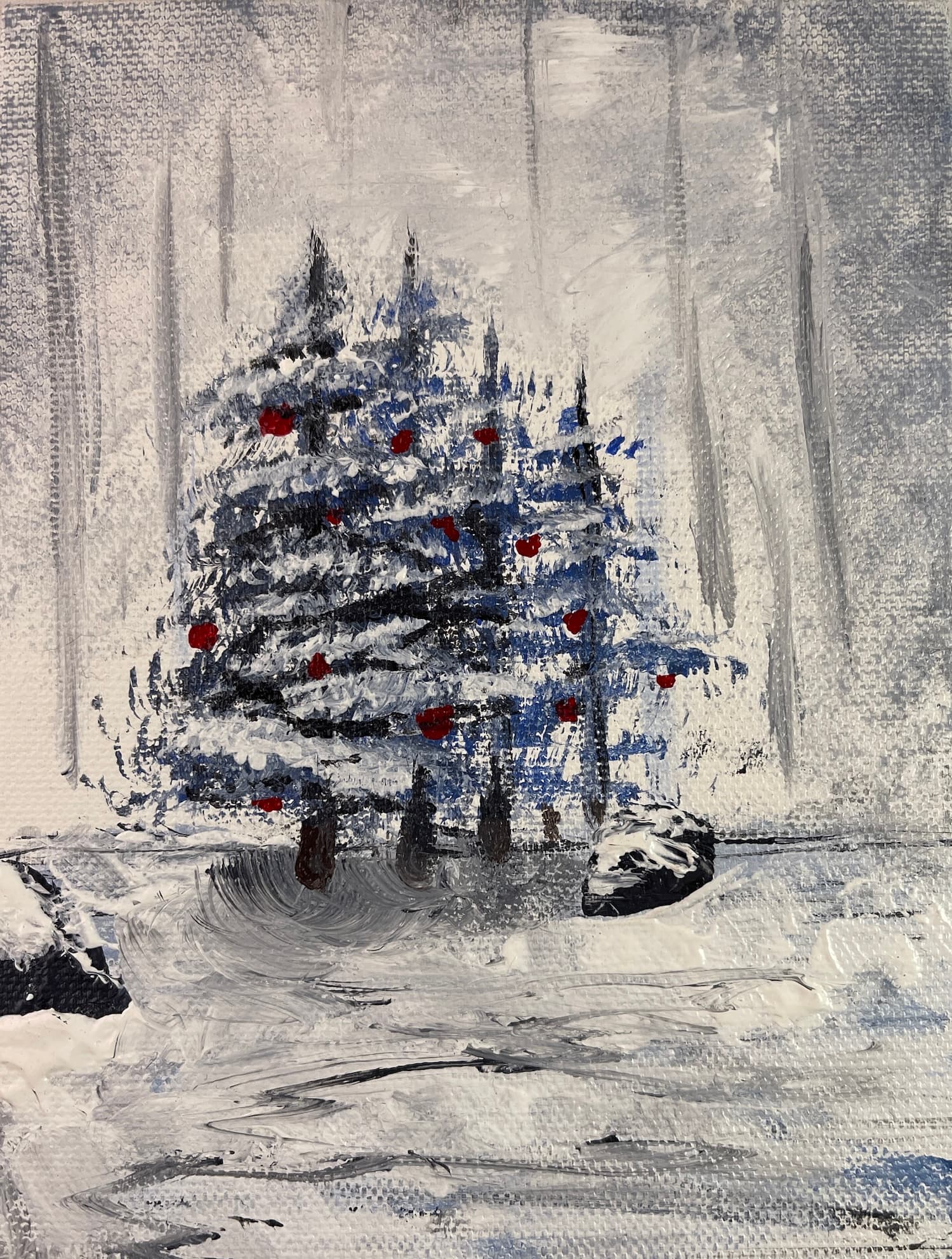
Painting, illustration, mixed media, and sculpture. I come from an art background – pixel art taught me color theory, and that transfers directly to acrylics and watercolor. One of my pieces is a Picasso-inspired portrait, another is a sculpted octopus. Making art isn't separate from making things – it's the foundation. Understanding composition, color, and form makes you better at every other craft in this building.
What it takes: Good lighting (natural is best), easels, a sink for cleanup, storage for works in progress. Relatively low infrastructure cost compared to other shops.
Opportunities: Community art classes, open studio nights, collaborative murals, gallery shows for local artists. Art is also how you make a makerspace feel like a creative space instead of a garage.
The Fiber Studio
Crochet, knitting, weaving, embroidery, and textile arts. These are some of the most social crafts – people naturally gather and talk while working with their hands. A fiber studio is also a gateway for people who don't think of themselves as "makers" yet. You don't need power tools or safety gear. You need yarn, a hook, and someone to show you the first few stitches.
What it takes: Comfortable seating, good lighting, yarn and fiber storage, a couple of rigid heddle looms. A weaving loom takes up space but creates stunning work.
Opportunities: Workshops for beginners, fiber arts meetups, custom textile work. There's a huge maker economy around handmade knitwear, woven goods, and embroidery.
The Sewing Shop
Industrial and domestic sewing – bags, upholstery, wearable gear, cosplay costumes, and repairs. This isn't your grandma's sewing circle (though she'd be welcome). Industrial sewing machines can handle leather, canvas, and heavy-duty materials that open up a whole different world of projects.
What it takes: Industrial sewing machines (walking foot, serger, coverstitch), cutting tables, pattern storage. Machines need regular maintenance but last decades.
Opportunities: Custom bags and accessories, upholstery repair, cosplay fabrication, small-batch fashion. A lot of people want to learn to alter and repair their own clothes – that's a workshop that fills itself.
The Leather Shop
Wallets, belts, bags, journal covers, knife sheaths – leatherworking produces some of the most satisfying finished products of any craft. There's something about cutting, tooling, and stitching leather that feels timeless. It's also one of the crafts where Celtic tradition runs deep – knotwork tooling on leather is a tradition that goes back centuries.
What it takes: Cutting mats, stitching ponies, stamping tools, edge finishing tools, a skiving machine. Leather itself is the main consumable cost.
Opportunities: Custom goods with high perceived value, Etsy and craft fair sales, personalized gifts, repair services. Leatherwork commands premium prices because people recognize the skill involved.
The Hot Shop 🔥
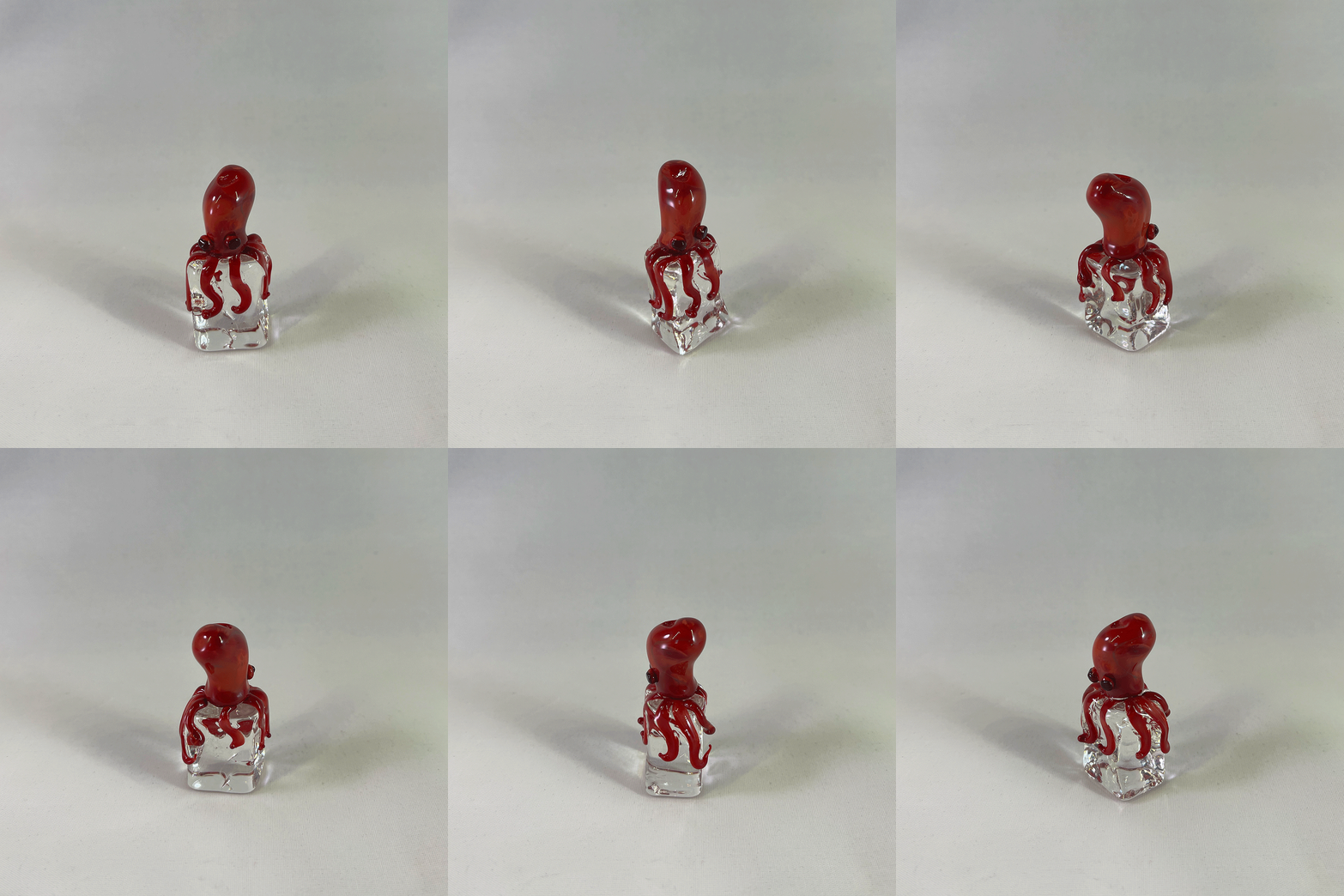
Welding, metal fabrication, and torch sculpting. MIG, TIG, stick welding, plasma cutting, and oxy-acetylene work in addition to lampworking. The hot shop is where things get industrial – this is the space that turns a makerspace into a real fabrication facility. It's also the space that needs the most infrastructure: ventilation, fire suppression, concrete floors, propane/oxygen tanks, and serious electrical.
What it takes: Welding booths with curtains, welding machines (MIG and TIG minimum), plasma cutter, angle grinders, anvil, fire-safe environment. Requires 240V power and proper ventilation. We already have a Carlisle dual-burner torch and setup which can be used to do bead making or lampworking with Pyrex or borosilicate glass.
Opportunities: Metal furniture, sculpture, automotive fabrication, repair work, architectural metalwork, glass art for installation or industries like medical and scientific applications. Welding is also a directly employable skill – trained welders are in high demand.
The Wood Shop
Hand tools, joinery, furniture projects, and turning. Woodworking is one of the most popular maker disciplines and one of the hardest to do in an apartment. Plus Antioch has restrictions for running power tools like table saw in residential zones which limits what can be done at home. A shared wood shop with a table saw, bandsaw, planer, jointer, and a wall of hand tools opens up everything from cutting boards to full furniture builds.
What it takes: Significant space, dust collection system, heavy equipment (table saw, bandsaw, planer, jointer, drill press), hand tool wall, finishing area. This is one of the most space-intensive shops and is generally single purpose to this craft.
Opportunities: Custom furniture, home repairs, cutting boards and kitchen items, turning (bowls, pens), woodworking classes. Woodworking classes are consistently the most popular offering at makerspaces nationwide.
Each of these shops could be its own post (and probably will be). The version of Maker Pub we grow into might have some or all of these, or something completely different. We want to be community-driven, building what people in the area actually want. Think of it like a gym + coffee shop, but for making things. You show up, you have access to equipment you'd never buy for yourself, and you're surrounded by people who are into the same stuff.
Antioch has large vacant warehouses that would be perfect for this kind of campus. The infrastructure is there. We just need the people.
Why Antioch?
Antioch has a manufacturing heritage and a growing community of people looking for creative things to do. We think there's an opportunity to bridge the maker movement with local industry – connecting trained makers with businesses that need prototyping, small-batch production, or skilled workers.
We're not trying to be Silicon Valley. We're trying to be a place where people learn real skills, build real things, and maybe turn those skills into real work.
The Culture We're Building
Every decision we make comes back to a few core values:
- Sharing over hoarding knowledge – if you learned something, teach it
- Collaborating over competition – we lift each other up
- Community over credentials – everyone starts somewhere
- Building together – the goal is making Antioch a hub for creative people who like to make things side by side
Want to be part of what we're building? Come to a class, drop by a game night, or just say hi. We're always looking for people who want to build something together.
This Is Just the Beginning
We don't have it all figured out. We're learning as we go and building in the open. If that sounds like your kind of thing, come hang out.